What you can safely do yourself
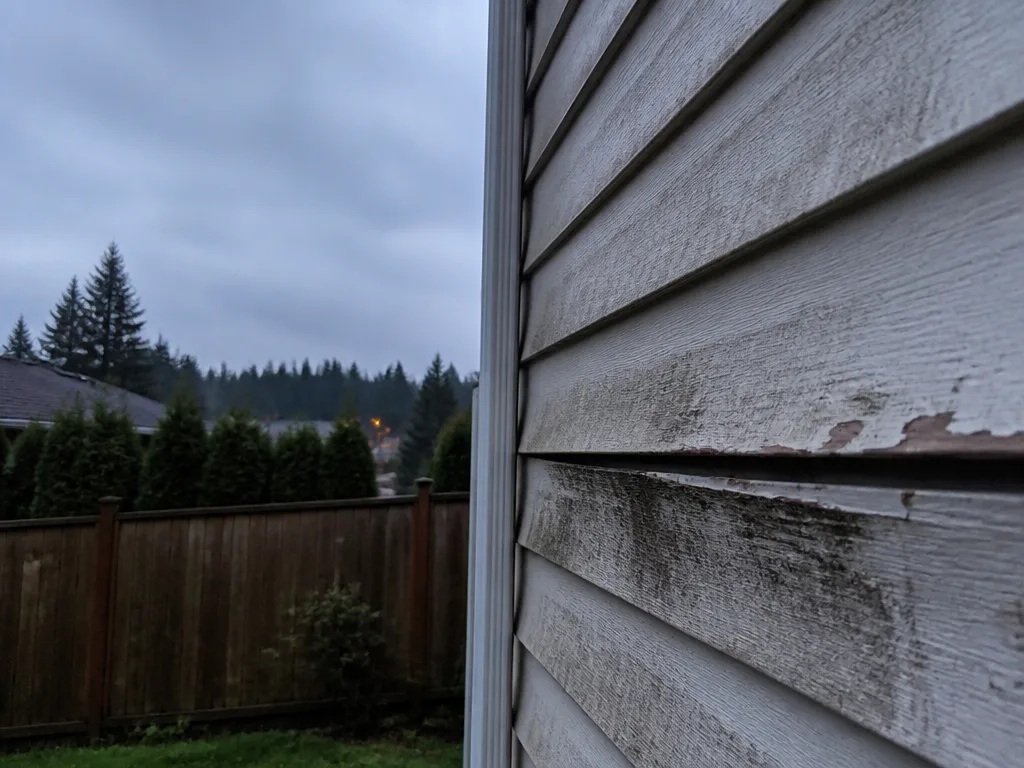
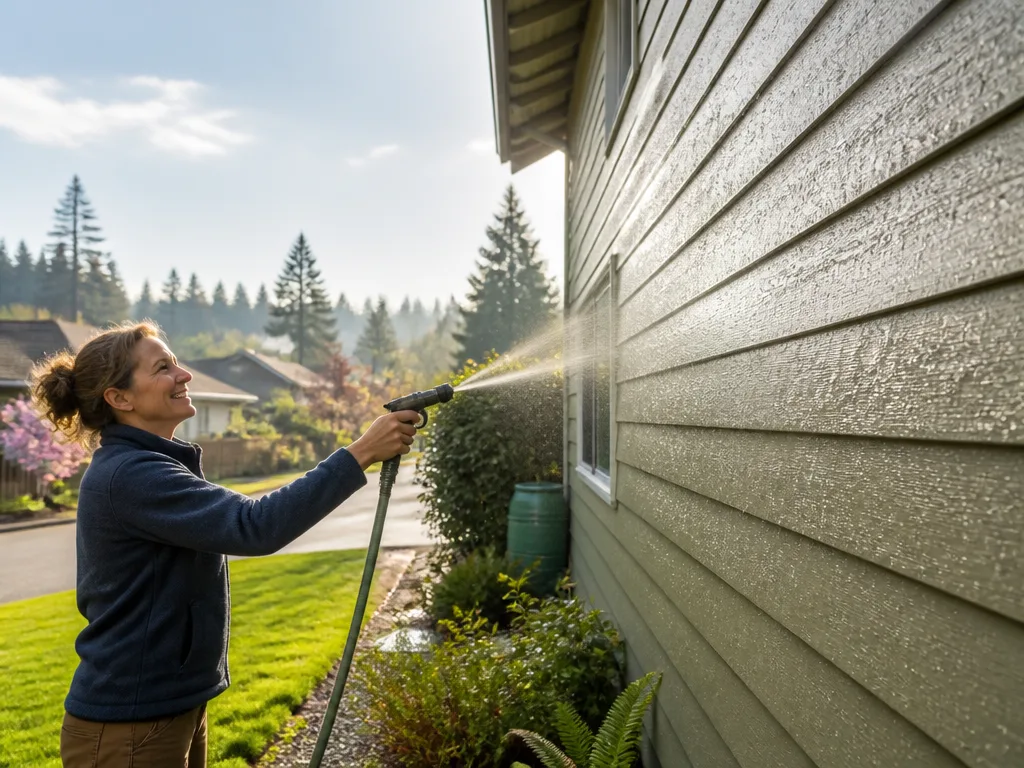
Small tasks like cleaning dirt and mildew off siding with a soft brush and low-pressure water can be a good DIY project. Use a mild detergent and rinse from top to bottom to avoid letting water seep behind panels. You can also inspect for loose trim or chalky paint that signals the need for a refresh. These steps help you catch issues early.
Another DIY-friendly task is caulking exterior seams that have dried out. Use a paintable, exterior-grade caulk and apply neatly after a dry day. This slows water intrusion and buys time before bigger work is needed. Always wear gloves and follow manufacturer instructions.
When to call a siding specialist
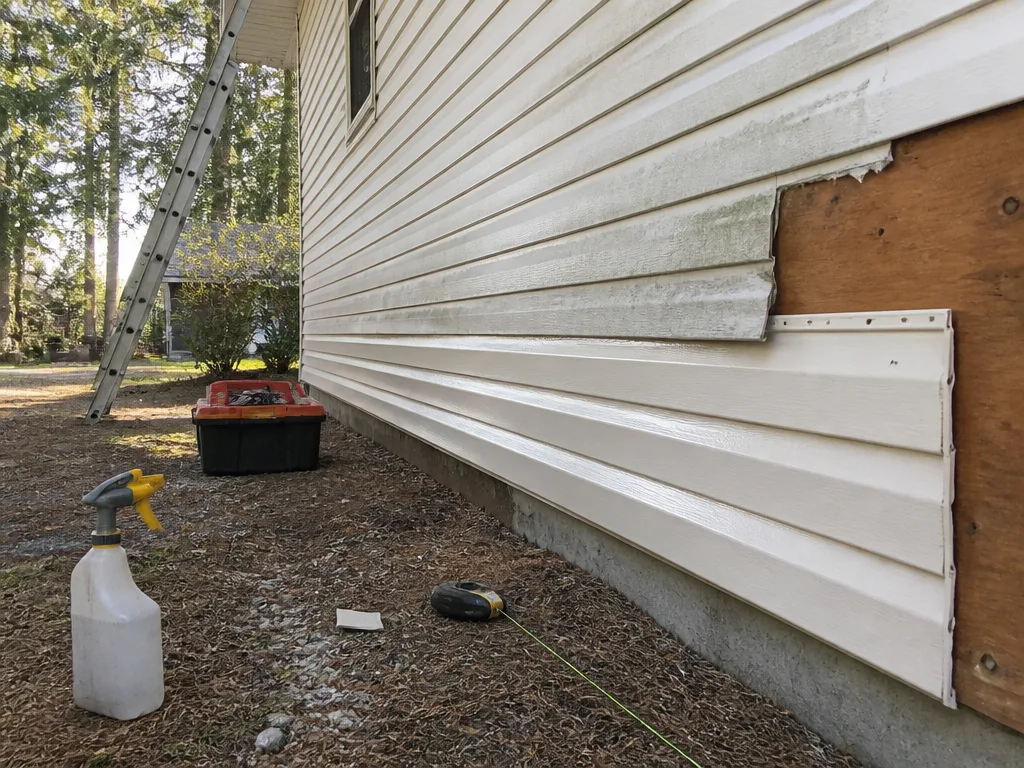
If you notice sustained staining, soft or spongy areas, or panels that feel loose to the touch, it’s time to bring in a pro. A siding specialist can perform moisture testing, assess underlayment damage, and determine whether re-cladding is the best option. In Washington, these evaluations often uncover issues behind the surface that a DIY fix can’t address.
Structural concerns behind siding are a red flag. If you see sagging or shifting in wall sections, or if the exterior feels damp to the touch after a rain, stop and call a pro. A thorough assessment protects your home’s integrity and helps you plan a proper solution across Washington.
What to expect from a professional assessment
A siding specialist will inspect fasteners, flashing, and the junctions where walls meet the roofline. They’ll check the attic and exterior walls for signs of moisture, verify ventilation, and review your current siding system for compatibility with climate. The goal is a clear, practical plan you can follow through with, without guesswork.
Practical tip
Ask for a written rundown of findings and a cost breakdown. In Washington, a straightforward, honest discussion about options helps you decide what fits your home and budget.