Spring and summer care
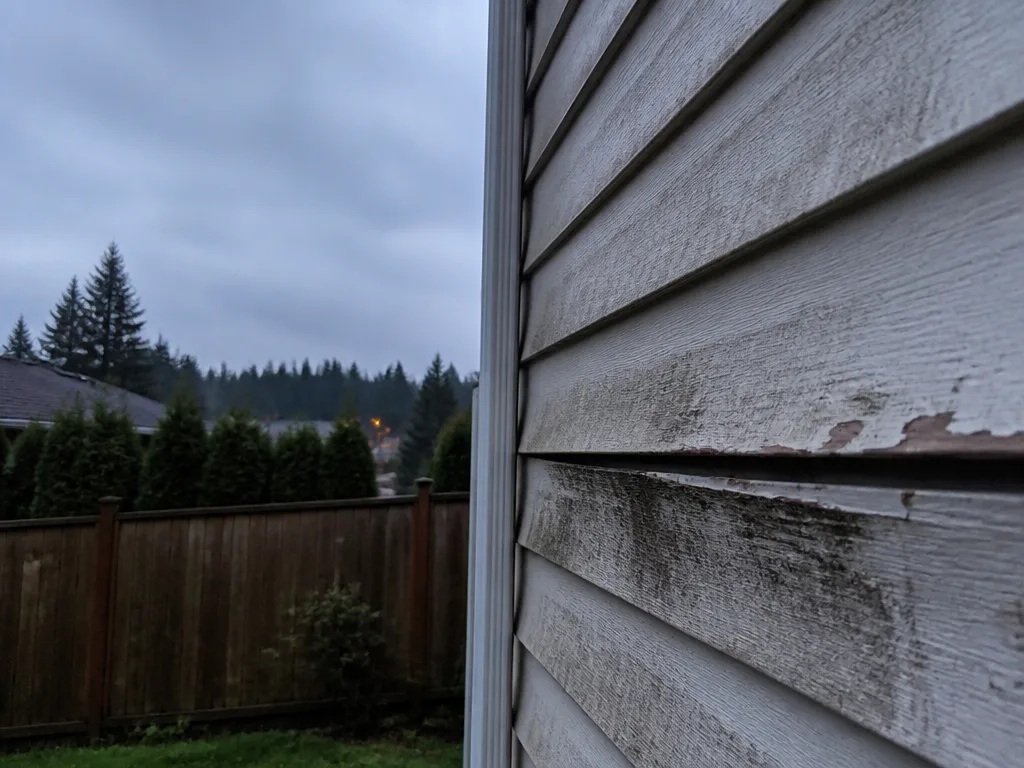
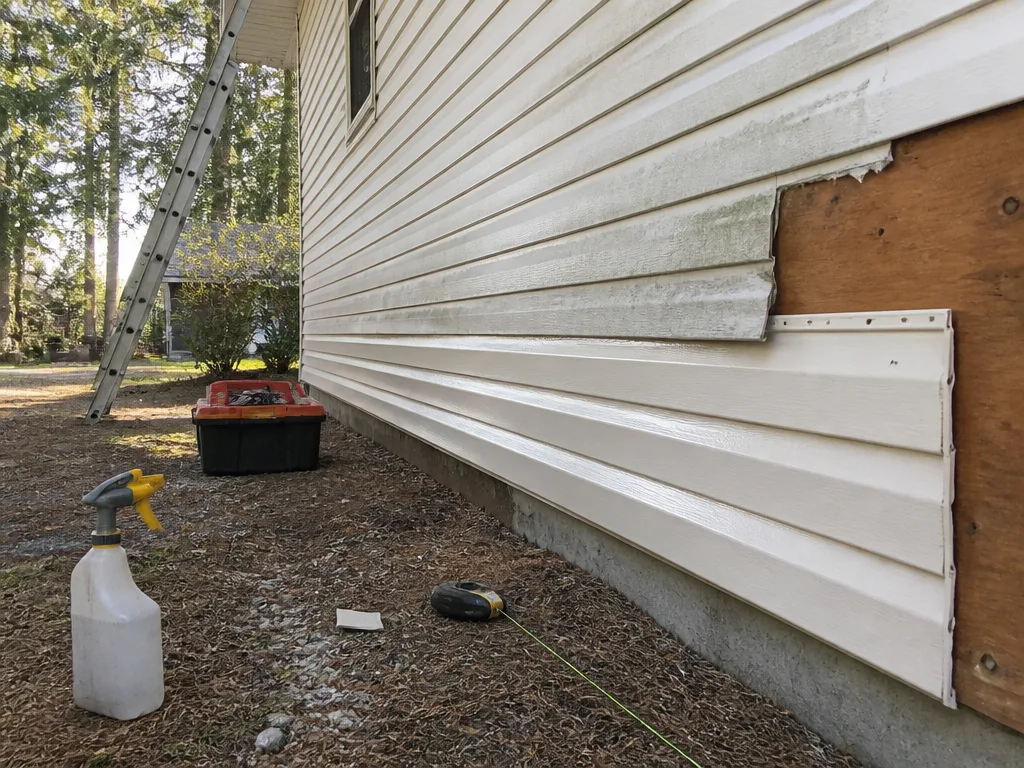
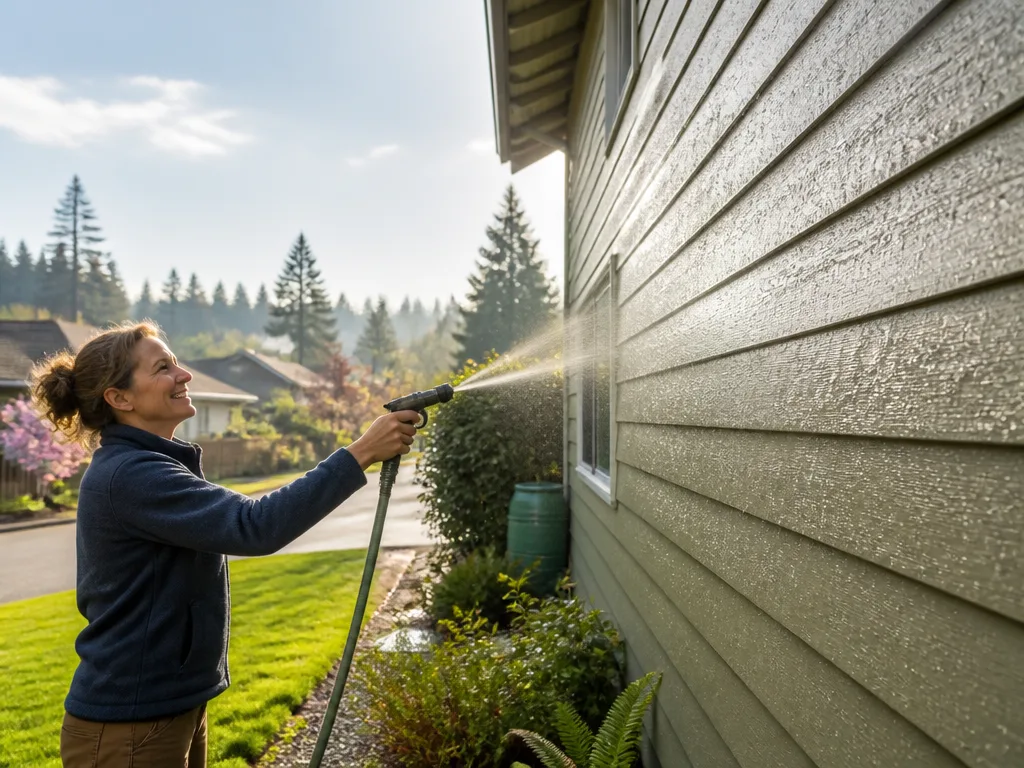
After winter, inspect for cracks and warping that may have formed from freeze-thaw cycles. Clean siding to remove dirt and pollen, then check caulk around windows and doors for gaps. Sweep leaves and debris from the base of the walls to prevent moisture buildup that can invite mold. Across Washington, a clean exterior helps extend the life of the panels and keeps the home looking fresh.
During the warmer months, pay attention to overhanging branches. In a wet climate, shade can slow drying and encourage moss growth. Trim encroaching greenery so air can circulate behind the siding and avoid damp patches that lead to staining.
Fall and winter prep
In fall, seal small cracks and touch up paint where needed. Rake leaves away from the foundation to prevent moisture retention along the walls. Check gutters and downspouts for clogs so water is directed away from the siding and foundation. In winter, monitor for ice buildup at corners and along rooflines. Ice can lift or crack panels if it sits too long.
Washington homeowners should vary maintenance by region and home exposure, but the core idea is simple: keep moisture away from the siding and ensure proper drainage. A clean, well-sealed exterior performs better in every season.
Long-term preventive plan
Every few years, have a siding specialist review your system for wear, seal integrity, and venting. If you’ve added new insulation or modified the exterior in any way, a follow-up check helps ensure compatibility and performance. A statewide approach from Washington crews keeps your home protected across Washington, no matter the season.
Checklist
- Inspect after heavy rain for loose panels or gaps
- Clean dirt, moss, and algae safely
- Check caulking around doors and windows
- Ensure gutters direct water away from the siding